Change Management Risks: A Practical Guide
Change management risks are the challenges, uncertainties, and pitfalls that can derail an organizational change — and knowing them in advance is how you plan around them. A turnaround is change management on hard mode, so these risks show up constantly. The key insight: they operate at two levels at once, the organizational and the personal.
Two levels of change risk
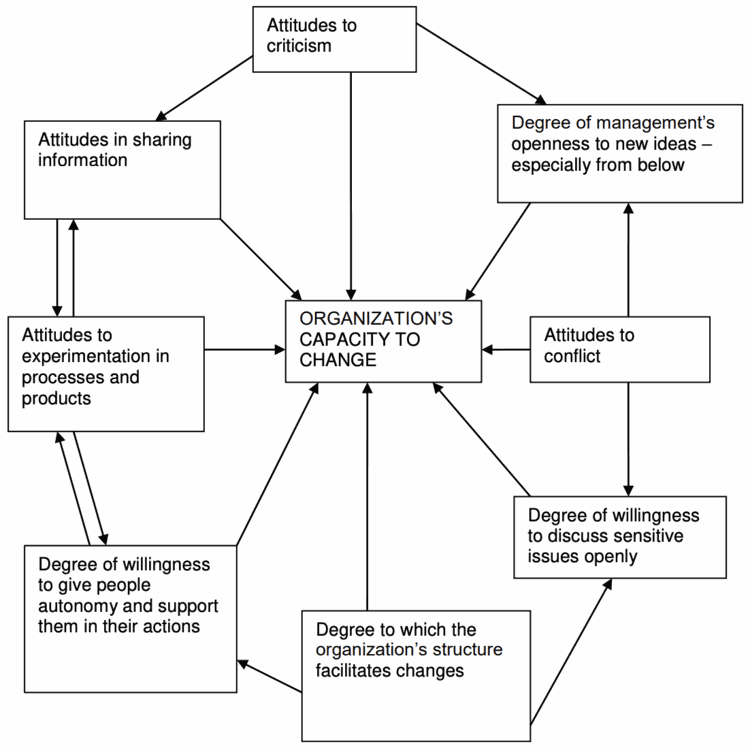
Change management risks are the potential challenges that arise when an organization tries to change. At the organizational level, a company's very capacity to change is shaped by a web of cultural factors — its openness to new ideas, willingness to share information and give people autonomy, and how its structure enables or blocks change.
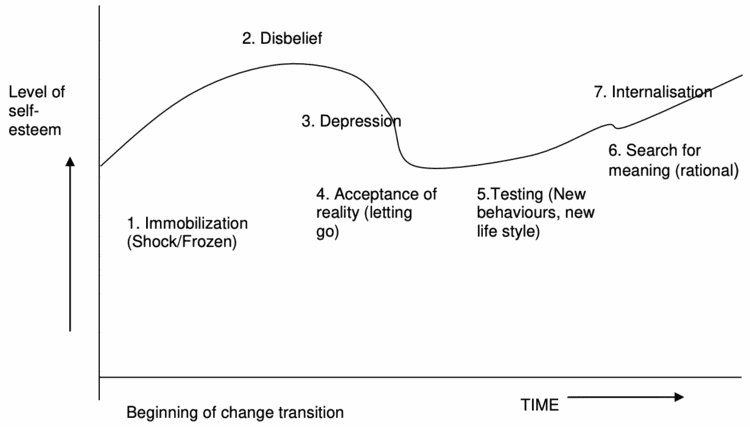
But change management risk is also deeply personal. Psychologically, a turnaround takes a real toll on the workforce — people move through a predictable emotional curve as they process change, and ignoring that human dimension is itself a major risk.
Managing change well means addressing both dimensions together, because change affects the organization and the individual at the same time.
The common risks
Certain risks show up again and again during change initiatives:
- Resistance to change — individuals or groups pushing back against the new direction.
- Communication breakdown — poor communication strategies leaving people confused or misaligned.
- Weak leadership and stakeholder engagement — without strong leadership and buy-in, change stalls.
- Inadequate planning and preparation — rushing in without a thorough plan.
- Lack of training and development — people asked to change without being equipped to.
- Change fatigue — continuous or frequent change wearing employees down.
- Culture and structure clashes — an organization whose culture actively resists the change.
- Loss of productivity — disrupted workflows dragging output down during the transition.
The expertise risk
Underlying all of these is a meta-risk: lack of change management expertise. Success relies heavily on knowing how to guide change, and businesses often underestimate it. This is why change discipline matters so much in a business turnaround — and why the recurring parts of it (documentation, communication, tracking) are worth handling systematically.
Change management is also a core theme in finance change management, where the same risks apply to financial transformation specifically.
Reducing the risk with consistency
Several of these risks — communication breakdown, inadequate documentation, loss of visibility during transition — come down to repeatable work slipping when a team is stretched. Keeping communication clear and status visible is exactly what the AI tools handle for a few dollars, reducing the operational risks so leaders can focus on the human ones that genuinely need them.
The takeaway
Change management risks are manageable once you name them — and once you accept they run at both the organizational and personal level. Plan thoroughly, communicate relentlessly, equip people for the change, and watch for fatigue. Handle the repeatable coordination with tools so your attention goes to the human side. Not sure how ready your business is for change? A free Biz Health Check is a fast first read.